
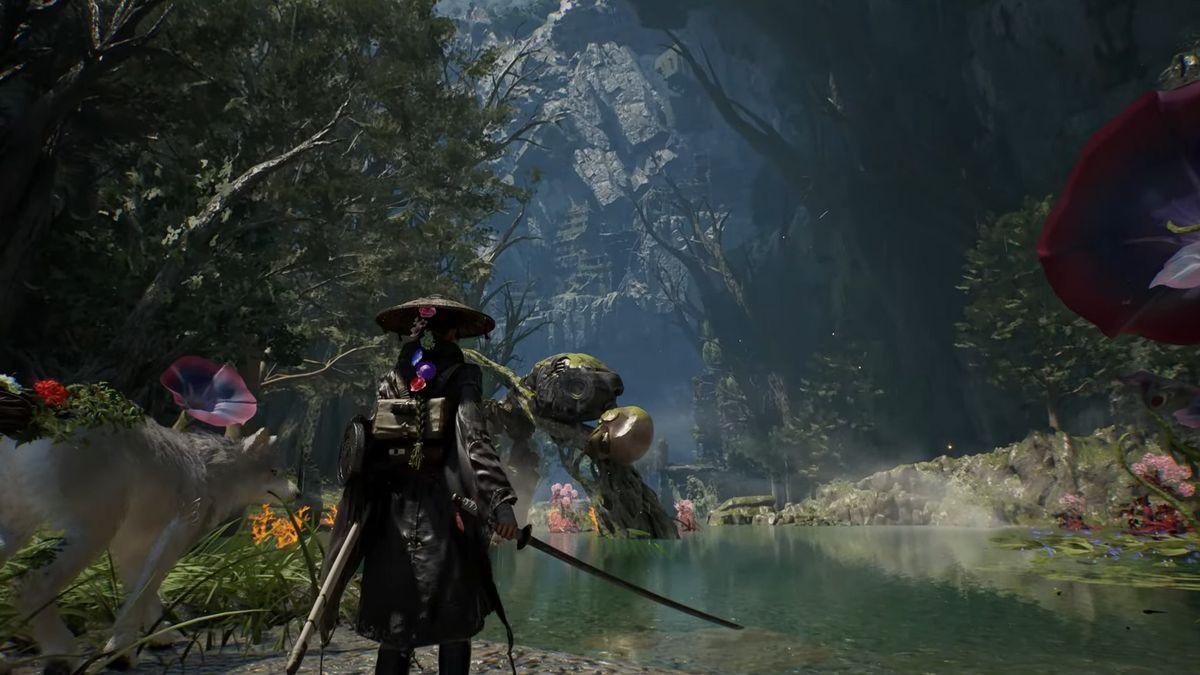
The Beast of Reincarnation: Game Freak's First Multi-Platform Game Revealed
Intro
When a studio known almost entirely for one franchise announces something outside its usual lane, players pay attention. Reports and early announcements around The Beast of Reincarnation point to a notable shift — Game Freak stepping into broader multi-platform territory. Here's what that likely means, what's confirmed, and how to read the signal behind the news.
Why This Announcement Matters
Game Freak has historically been closely associated with Nintendo hardware through its long partnership on major franchises. Industry coverage and company statements over the years have highlighted the studio's interest in expanding its portfolio beyond a single ecosystem.
A multi-platform project suggests:
- Greater creative flexibility
- Wider audience reach
- Reduced dependence on a single platform
- A chance to experiment with new genres
Studios often take this path to diversify risk and explore new markets.
What We Know So Far
Public information remains limited — as is typical early in development — but reports consistently point to:
- A new original IP
- Development led internally by Game Freak
- A release strategy not limited to one console ecosystem
- A focus on broader global audiences
Where sources differ is around genre and scope. Some outlets suggest an RPG direction, while others note that Game Freak has experimented with multiple styles in past side projects. Until official gameplay details emerge, it's safest to treat genre assumptions cautiously.
Context: Game Freak Beyond Its Core Franchise
Game Freak has previously released titles outside its flagship series, including experimental projects that explored different mechanics and storytelling approaches. Those releases demonstrated the studio's willingness to try new ideas — even if they remained niche.
A larger multi-platform project signals a step further: moving experimentation into a potentially bigger production.
What Multi-Platform Development Changes
For Players
- More access regardless of hardware
- Potential cross-community engagement
- Broader online ecosystems
For Competitive and Esports Communities
If the game includes multiplayer elements, wider platform support could lead to larger player pools — something competitive scenes typically benefit from.
Original Framework: The "SHIFT" Lens to Evaluate New Game Reveals
When a major studio announces a new project, look at:
- S — Strategy: Why is the studio making this move?
- H — History: How does it compare to past titles?
- I — Infrastructure: Is it built for cross-platform support?
- F — Fan impact: Who benefits most?
- T — Timeline: How early is the reveal?
Using this lens helps separate hype from meaningful change.
Possible Challenges Ahead
- Transitioning pipelines to support multiple platforms
- Managing expectations from longtime fans
- Competing in a crowded market
- Balancing innovation with familiar strengths
Studios often face growing pains when expanding beyond established workflows.
Expert Tips for Players Following the Project
- Watch developer interviews — they often reveal direction early
- Track platform announcements for launch clarity
- Expect gradual information drops rather than full reveals
- Avoid assuming gameplay until official footage appears
FAQ
Early reports indicate a broader release approach, though platform specifics may evolve.
No — the studio has explored other titles before, but a larger multi-platform push is notable.
Details are still emerging; both possibilities remain open.
It reflects a trend of studios expanding beyond exclusive ecosystems.
Typically, studios share updates through showcases, press releases, or developer diaries.
Conclusion — Next Step
Keep an eye on official announcements and gameplay reveals. The real story will emerge as development updates clarify the game's scope — and whether this marks a long-term evolution for Game Freak or a one-off experiment.