
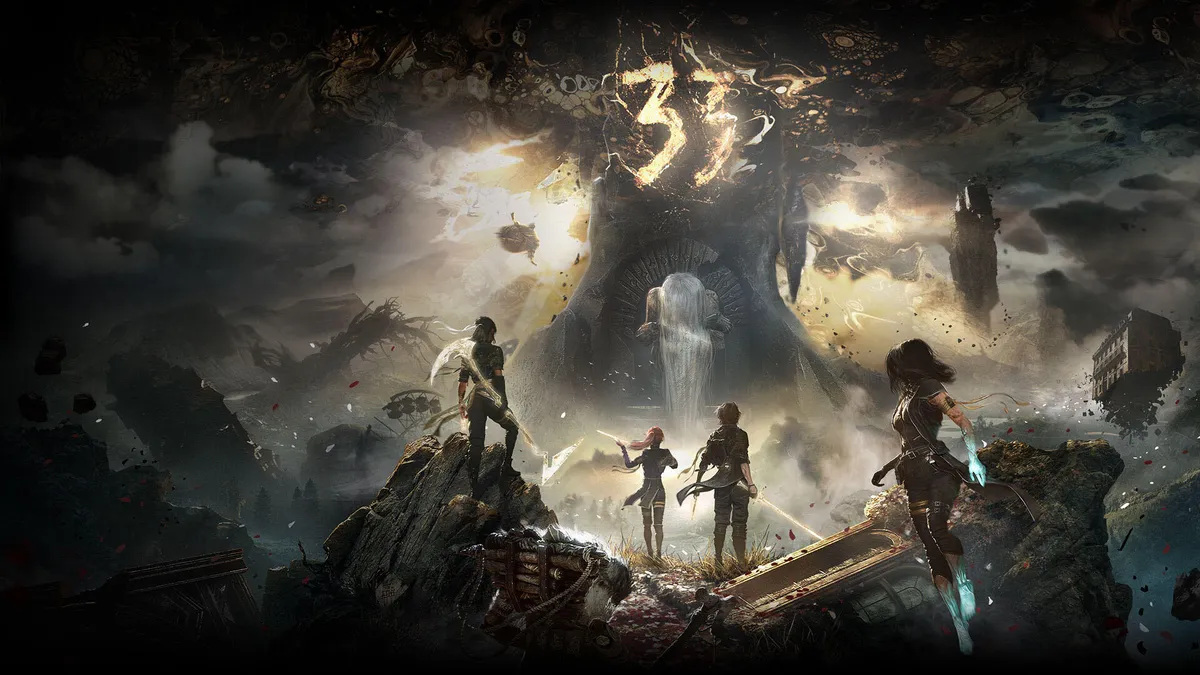
Clair Obscur: Expedition 33 — Why It's 2025's Most Controversial Game
Clair Obscur: Expedition 33 came out in April 2025 as a critically acclaimed RPG from French developer Sandfall Interactive. Its artistic ambition and story won it an early reputation as one of the year's best games. But by late 2025 and into 2026, the narrative around it shifted. A mix of award drama, AI usage debates, and passionate community responses have made it one of the most discussed titles of the year.
From Critical Darling to Industry Flashpoint
At launch, Clair Obscur: Expedition 33 impressed both critics and players with its unique turn-based mechanics, narrative, and aesthetic design. The official Wikipedia page notes it received widespread praise for narrative, art direction, and gameplay, with strong sales and multiple accolades.
It even shattered expectations for a mid-budget game, selling millions of copies and being celebrated for proving smaller teams can still deliver memorable RPG experiences.
That success was reflected in awards season. At The Game Awards 2025, Clair Obscur reportedly swept nine categories — including Game of the Year — marking a historic showing.
So where did the controversy come from?
The AI Debate: Rules, Reality, and Policy
The heart of the controversy centers on generative AI usage.
An early report from Notebookcheck confirms that Sandfall Interactive acknowledged using generative AI tools during development, albeit limited to placeholder textures that were ultimately patched out before final release.
This collided with certain industry rules. The Indie Game Awards — a separate awards body — has a strict no-gen-AI criterion for eligibility. When Sandfall admitted AI use after initial submission, the organization stripped Clair Obscur of both its Game of the Year and Debut Game titles.
That decision sparked debate on multiple fronts:
Position A — Rules Matter:
Supporters of the awards decision argue that clear rules were set and breaking them, even unintentionally, justifies revocation. This stance focuses on maintaining standards in smaller, indie-focused awards where creative integrity is paramount.
Position B — Context Matters:
Critics suggest the awards body's rules are outdated and that limited AI assistance — especially for placeholder or utility tasks — shouldn't nullify a game's artistic achievement. They point out that many development teams use AI for efficiency without replacing core creative contributions.
Our take: The incident reveals a broader tension in gaming — how to balance new tooling with traditional development values. It doesn't diminish the game's quality, but it does underscore the need for transparent standards about AI usage in creation.
Community Responses and Broader Impact
Player reactions have been vocal. On Reddit and social media, fans expressed disappointment at the revocation, arguing that the limited AI usage didn't detract from the game's creative quality.
This isn't just a procedural argument — it touches on how the industry defines creative authenticity as tools evolve. Other developers argue the industry needs clearer, consistent AI policies that reflect practical workflows instead of blanket bans.
Forums and comment threads also show debates about indie authenticity. Some gamers questioned whether a game with a $10 million budget and backing from an established publisher still qualifies as "indie," even though Sandfall is a small studio.
What This Means for Gamers and Developers
Here's a simple framework — The AI Ethics Decision Tree — gamers and developers can use when evaluating future controversies:
- Was generative AI used?
- No → Standard acclaim evaluation applies.
- Yes → Proceed to 2.
- How integral was the AI contribution?
- Minor/utility → Artistic merits remain strong.
- Central/creative → Raises stronger questions.
- Were community and industry rules clearly communicated?
- Yes → Expect accountability actions.
- No → Debate likely over fairness.
- Has the developer been transparent and responsive?
- Yes → Community trust less eroded.
- No → Controversy deepens.
This isn't a legal rubric, but it helps frame discussion around why Clair Obscur sparked debate.
FAQ
Yes — it originally won multiple awards, but at least one awards body rescinded those honors due to AI usage rules.
No. The acknowledged AI use was limited and reportedly related to placeholder textures, not core design.
Not necessarily — many gamers and critics still praise the game's narrative, mechanics, and design.
No. Players' experience and core content remain intact.
A turn-based RPG with real-time mechanics, set in a Belle-Époque inspired world.
Conclusion
Clair Obscur: Expedition 33 is more than another RPG — it became a mirror for the gaming industry's growing pains. Its artistry and mechanics earned praise, while debates about AI use and award eligibility sparked wider conversations about how games are made and judged.
If you're a gamer, following this story gives insight into evolving development practices and how they intersect with community standards. Whether you loved the game or watched from the sidelines, the controversy highlights the growing importance of transparent creative processes in gaming's future.