
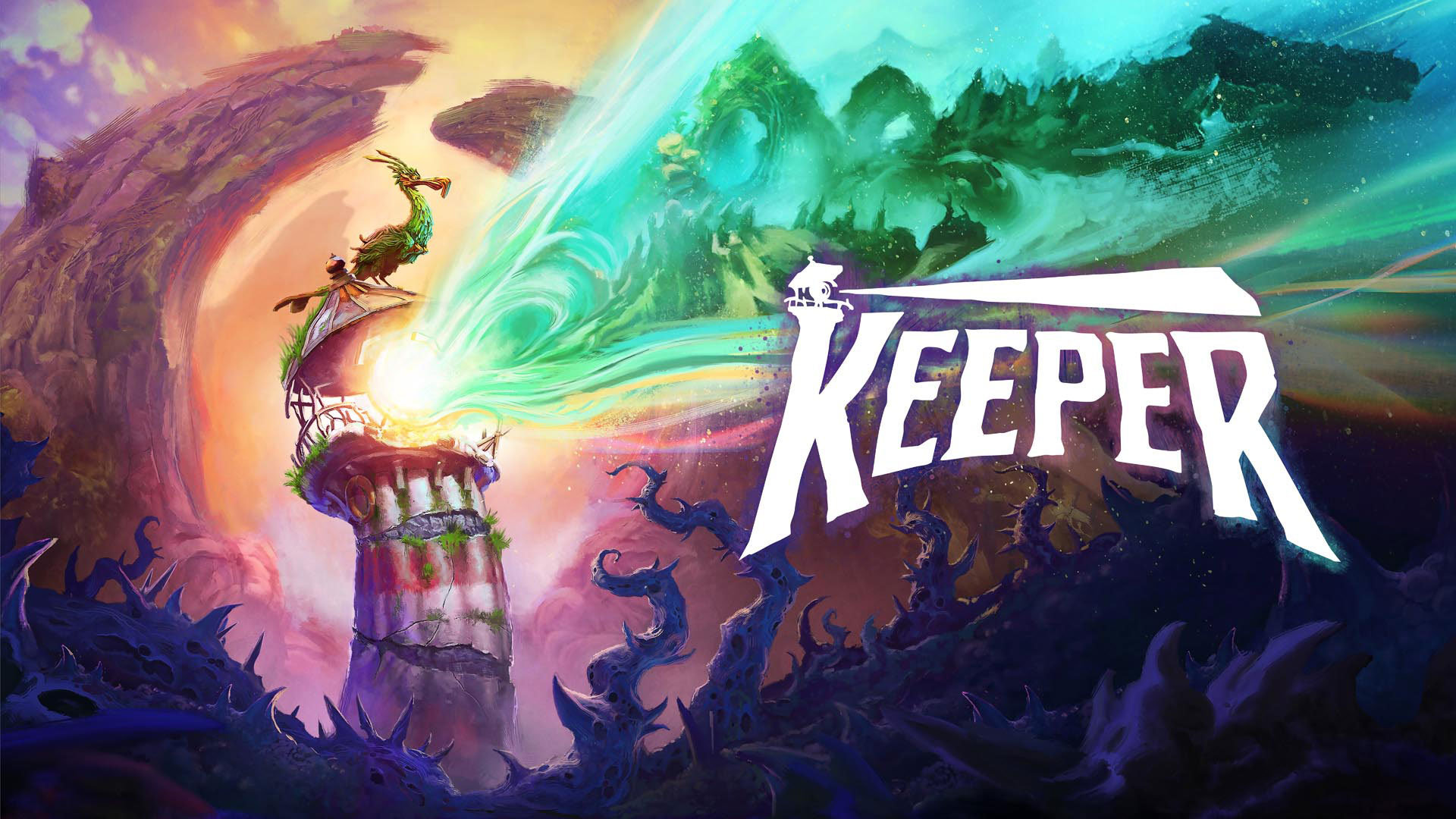
Double Fine's Surreal Puzzle Platformer: A Feast for the Senses
Introduction
Few studios approach game design the way Double Fine does.
While most platformers focus on speed, combat, or precision, Double Fine often builds games around ideas, atmosphere, and surreal storytelling. The result is something different: puzzle platformers that feel more like interactive art than traditional level-based games.
If you've played titles like Psychonauts or Broken Age, you know the studio's style already. Their puzzle platformers tend to mix creative mechanics, dreamlike visuals, and unusual narratives.
Let's break down what makes these games work—and why they've earned a loyal following among players who want something more imaginative than standard platformers.
The Double Fine Design Philosophy
Double Fine Productions was founded in 2000 by Tim Schafer, a game designer known for narrative-driven titles such as Grim Fandango and Psychonauts.
The studio's design philosophy leans heavily toward:
- experimental gameplay
- unusual art direction
- story-driven puzzles
Instead of building games around difficulty curves, Double Fine often designs experiences around curiosity and exploration.
That approach is visible across several projects from the studio.
What Makes a Surreal Puzzle Platformer?
At its core, the genre blends three elements:
- Platforming movement
- environmental puzzles
- visual storytelling
But Double Fine tends to push those elements further.
Example Design Traits
Common features include:
- shifting environments
- dreamlike worlds
- physics-bending puzzles
- narrative-driven exploration
In Psychonauts, for example, players explore the minds of different characters, with each level reflecting a unique psychological theme.
This design style is widely praised for its originality in reviews from outlets like IGN and GameSpot.
Visual Style: Why the Games Feel Unique
Many puzzle platformers rely on minimal visuals to keep gameplay clear.
Double Fine does the opposite.
The studio's art direction often mixes:
- exaggerated character design
- theatrical environments
- vibrant color palettes
Critics often describe the studio's visual style as cartoon surrealism.
This approach allows the gameplay to support storytelling. The world itself becomes part of the puzzle.
Puzzle Design That Encourages Exploration
Rather than presenting puzzles in isolated rooms, Double Fine typically embeds puzzles directly into the world.
Players often solve challenges by:
- interacting with objects in the environment
- experimenting with abilities
- interpreting visual clues
This design philosophy mirrors the "environmental puzzle" approach popularized by games like Portal and The Witness.
However, Double Fine's puzzles usually emphasize narrative context rather than pure logic challenges.
Why These Games Appeal to Modern Gamers
In an industry dominated by large open-world titles, smaller experimental games have gained popularity again.
Puzzle platformers are particularly suited to that trend.
Why Players Like Them
| Feature | Why It Works |
|---|---|
| Shorter playtime | Easy to finish in a few sessions |
| Creative worlds | Feels fresh compared to typical shooters |
| Puzzle exploration | Encourages experimentation |
| Artistic style | Visually memorable |
Independent developers have helped revive interest in this genre, and Double Fine remains one of the most recognizable studios associated with it.
How to Approach Surreal Puzzle Platformers
Some players bounce off these games because they expect traditional mechanics.
A better mindset helps.
Quick Strategy Checklist
Before starting a surreal puzzle platformer:
- ✔ Observe the environment carefully
- ✔ Experiment with abilities frequently
- ✔ Look for visual storytelling clues
- ✔ Expect unconventional puzzle logic
- ✔ Explore side paths and hidden areas
These games reward curiosity more than speed.
Common Mistakes Players Make
1. Treating It Like a Traditional Platformer
Players often rush through levels looking for jumps or enemies. In many surreal puzzle games, the key lies in observing the environment first.
2. Ignoring Story Clues
Narrative elements often hint at puzzle mechanics.
Skipping dialogue or environmental storytelling can make puzzles harder.
3. Overthinking Simple Interactions
Some puzzles rely on basic experimentation—interacting with objects in unexpected ways.
FAQ
Double Fine Productions is known for narrative-driven games such as Psychonauts, Broken Age, and Brütal Legend, often combining storytelling with creative gameplay.
A puzzle platformer combines traditional platforming movement with environmental puzzles that players must solve to progress.
Generally, they emphasize creativity and exploration more than extreme difficulty.
Yes. Many puzzle platformers are approachable because they focus on discovery rather than competitive gameplay.
Players who enjoy these games often like titles such as Inside, Little Nightmares, and Fez.
Conclusion
Double Fine's surreal puzzle platformers stand out because they prioritize imagination over formula.
Instead of chasing industry trends, the studio builds experiences that feel handcrafted—filled with strange worlds, clever puzzles, and memorable characters.
For gamers tired of predictable gameplay loops, these titles offer something refreshing: a reminder that games can still surprise you.
If you enjoy artistic design, experimental mechanics, and story-driven exploration, Double Fine's puzzle platformers are worth your time.