
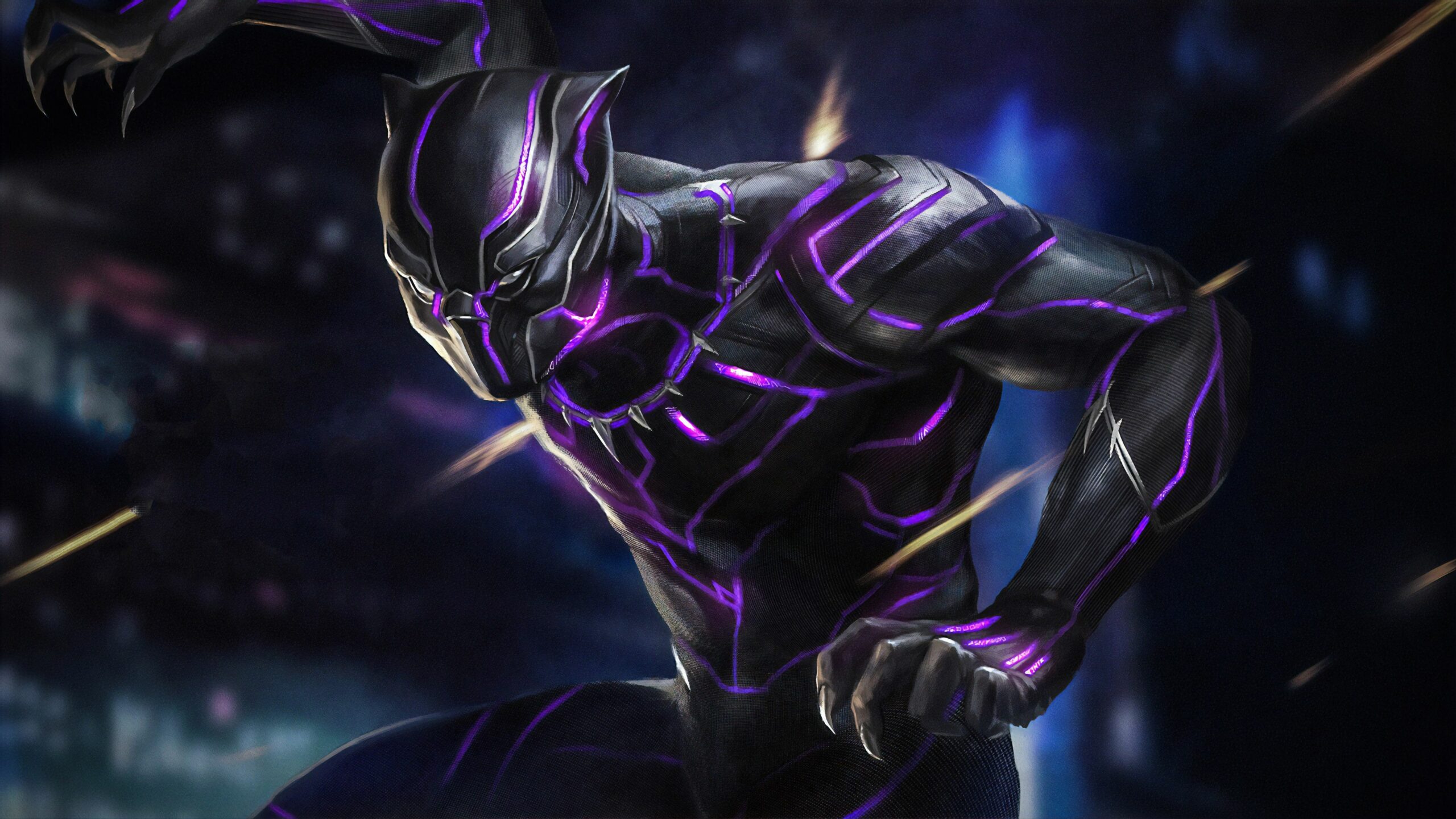
EA’s Black Panther Game Cancelled: Is the Nemesis System Lost Forever?
When EA announced a Black Panther game, expectations were clear: Wakanda, open-world freedom, and—possibly—the return of one of gaming’s smartest mechanics.
Now it’s cancelled. And the bigger question isn’t just about the game—it’s about the Nemesis system and whether we’ll ever see something like it again.
What Was the Black Panther Game Supposed to Be?
EA confirmed a partnership with Marvel to develop multiple titles, including a Black Panther project led by Cliffhanger Games. While details were limited, industry speculation pointed toward:
- Open-world Wakanda
- Narrative-driven combat
- A possible dynamic enemy system
That last part matters—because it connects directly to the Nemesis system.
The Nemesis System (Why Gamers Care So Much)
The Nemesis system, introduced in Middle-earth: Shadow of Mordor and expanded in Middle-earth: Shadow of War, wasn’t just a feature—it was a shift in how enemies behave.
What made it special:
- Enemies remember past encounters
- They evolve (gain ranks, traits, rivalries)
- Your actions shape the world dynamically
Example: Lose to a random enemy → they rise in power → mock you later → become your rival. That’s not scripted storytelling. That’s system-driven narrative.
The Problem: It’s Locked Behind a Patent
Here’s the uncomfortable truth. Warner Bros. patented the Nemesis system in 2021, covering:
- Dynamic NPC relationships
- Procedural storytelling based on player interaction
What this means:
- Other studios (including EA) can’t replicate it directly
- Even similar mechanics risk legal issues
Some developers argue the patent is too broad. Others say it protects innovation. Reality: Until it expires (expected around 2035), we won’t see a true Nemesis-like system outside WB titles.
So Why Does the Cancellation Matter?
The Black Panther game was one of the few realistic chances to see:
- A superhero game with systemic storytelling
- A rival-based progression system in a Marvel world
- A fresh alternative to formulaic open-world design
Instead, we’re likely getting more scripted missions, static enemies, and repetitive combat loops.
What Developers Say (Conflicting Views)
There’s a split in the industry:
View 1: Patents Kill Innovation
- Limits creative iteration
- Prevents evolution of great ideas
View 2: Patents Protect Investment
- Encourages studios to build unique systems
- Rewards risk-taking
Balanced take: Protection makes sense—but overly broad patents slow down genre-wide progress.
What Gamers Actually Lost (Simplified)
| Feature | Traditional Games | Nemesis System |
|---|---|---|
| Enemy memory | None | Persistent |
| Rivalries | Scripted | Dynamic |
| World reaction | Limited | Evolving |
| Replay value | Moderate | High |
The loss isn’t just a game—it’s a type of experience.
The “Innovation Lock” Framework (Why This Happens)
When big mechanics disappear, it’s usually due to this loop:
- Breakthrough mechanic created
- Patent or exclusivity applied
- Limited adoption across industry
- Innovation stagnates outside owner
- Players feel repetition in new titles
We’re seeing step 4 right now.
Could It Come Back?
There are three realistic paths:
- Warner Bros. uses it again (unlikely soon)
- Patent expires (~2035)
- Studios create legally distinct alternatives
The third option is the most likely—but it won’t be identical.
Common Misconceptions
- “Nemesis system is completely dead.” Not dead—just locked to one publisher.
- “Other games can copy it easily.” No. Even similar implementations risk infringement.
Expert Tips (For Gamers Watching This Space)
- Follow systems, not franchises: The best innovation comes from mechanics, not IPs.
- Watch indie studios: They often experiment around legal limits.
- Pay attention to patents: They quietly shape what games you get to play.
FAQ
Official reasons are unclear, but likely include development challenges, cost, and shifting priorities at EA.
A gameplay system where enemies remember and evolve based on player interactions.
Warner Bros., via a patent granted in 2021.
Only if they are significantly different to avoid patent issues.
Possibly—but likely only in Warner Bros. titles or distant future post-patent.
Conclusion
The cancellation of EA’s Black Panther game isn’t just another dropped project. It highlights a bigger issue: Some of gaming’s best ideas don’t spread—they get locked.
If you care about innovation, start paying attention not just to games—but to the systems behind them.
Next Step: Stay tuned for updates on future Marvel partnerships and how other studios are attempting to innovate within patent constraints.