
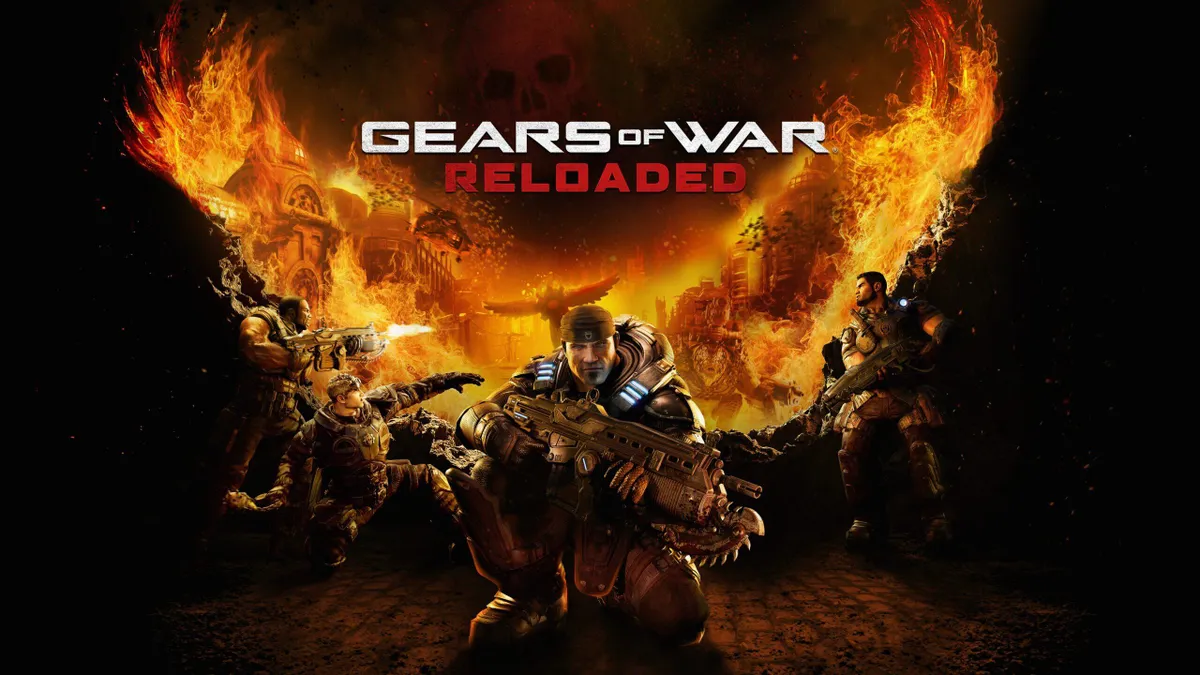
Gears of War: Reloaded on PlayStation – The Era of Exclusives Is Officially Dead
If Gears of War lands on PlayStation, that's not just another port. That's a shift in console history.
For nearly two decades, Gears of War has been tightly associated with Xbox. Since the original 2006 release by Epic Games and later stewardship under Xbox Game Studios and The Coalition, it has served as a flagship franchise for Microsoft's hardware strategy.
Now the bigger story isn't just where you can play it. It's what this means for exclusivity.
Microsoft's Multiplatform Pivot
Microsoft Gaming CEO Phil Spencer has publicly discussed expanding first-party titles to more platforms (The Verge, Xbox Wire). In 2024, Microsoft confirmed titles like Hi-Fi Rush and Sea of Thieves would release on PlayStation and Nintendo Switch.
That move wasn't random. It signaled a strategic transition:
- Hardware sales are no longer the only battlefield.
- Subscription revenue (Xbox Game Pass) is central.
- Software reach matters more than platform lock-in.
If Gears of War: Reloaded follows that path, it aligns with this broader shift.
Some analysts argue exclusives are still critical for brand identity (IGN commentary, GamesIndustry.biz). Others suggest the future is ecosystem-driven, not console-driven (The Verge industry reports).
Both perspectives have merit. But the data trend favors cross-platform expansion.
Why Gears Specifically Matters
Not all franchises carry the same symbolic weight.
Gears represents:
- Xbox 360's golden era
- Competitive third-person shooter legacy
- Esports history via MLG and major tournaments
Moving that to PlayStation isn't minor. It's cultural.
The "Exclusives Are Dead" Framework
Let's apply a simple test to see if exclusives are truly finished.
- Are first-party titles going
multiplatform?
Yes—confirmed with several Xbox Game Studios releases. - Is hardware still the primary revenue driver?
Industry financial reports from Microsoft emphasize services growth, including Game Pass. - Are players platform-loyal or ecosystem-loyal?
Modern gamers increasingly play across PC, console, and cloud.
If two out of three are true, exclusivity weakens. If all three shift, it collapses.
We're close to that threshold.
What This Means for Competitive Players
For multiplayer shooters like Gears:
- Larger player pool = better matchmaking
- Cross-play potential = stronger competitive ladder
- Longer lifecycle support
However, fragmentation risks remain. Performance parity across PS5 and Xbox Series hardware will matter. Input balance will matter. Server infrastructure will matter.
The Business Reality
Sony still maintains exclusives like Spider-Man and The Last of Us. Nintendo protects its IP tightly.
But Microsoft appears to be redefining its approach:
"Play anywhere" over "play here only."
This doesn't mean exclusives disappear overnight. It means they become strategic exceptions—not default strategy.
Common Misreads
- "This means Xbox is failing." Not necessarily. It may mean revenue diversification.
- "Exclusives are useless." They still drive identity and early adoption.
- "Every game will go multiplatform." No evidence supports that yet.
Context matters.
FAQ
Microsoft has expanded several first-party titles to PlayStation. Official confirmation should be checked via Xbox Wire or trusted outlets.
To increase software revenue and expand audience reach.
Possibly short term, but ecosystem growth may offset hardware decline.
Likely yes, if cross-play is supported.
They're evolving—from hardware competition to service competition.
Conclusion: The New Battlefield
The era of hard exclusivity isn't collapsing in one dramatic moment. It's eroding, strategically.
If Gears of War lands on PlayStation, it won't just be a port. It will be proof that the industry's center of gravity has shifted—from consoles to ecosystems.
And for players?
More access. More competition. Less tribalism.
The next few years will define whether this is a temporary experiment—or the permanent end of exclusives.