
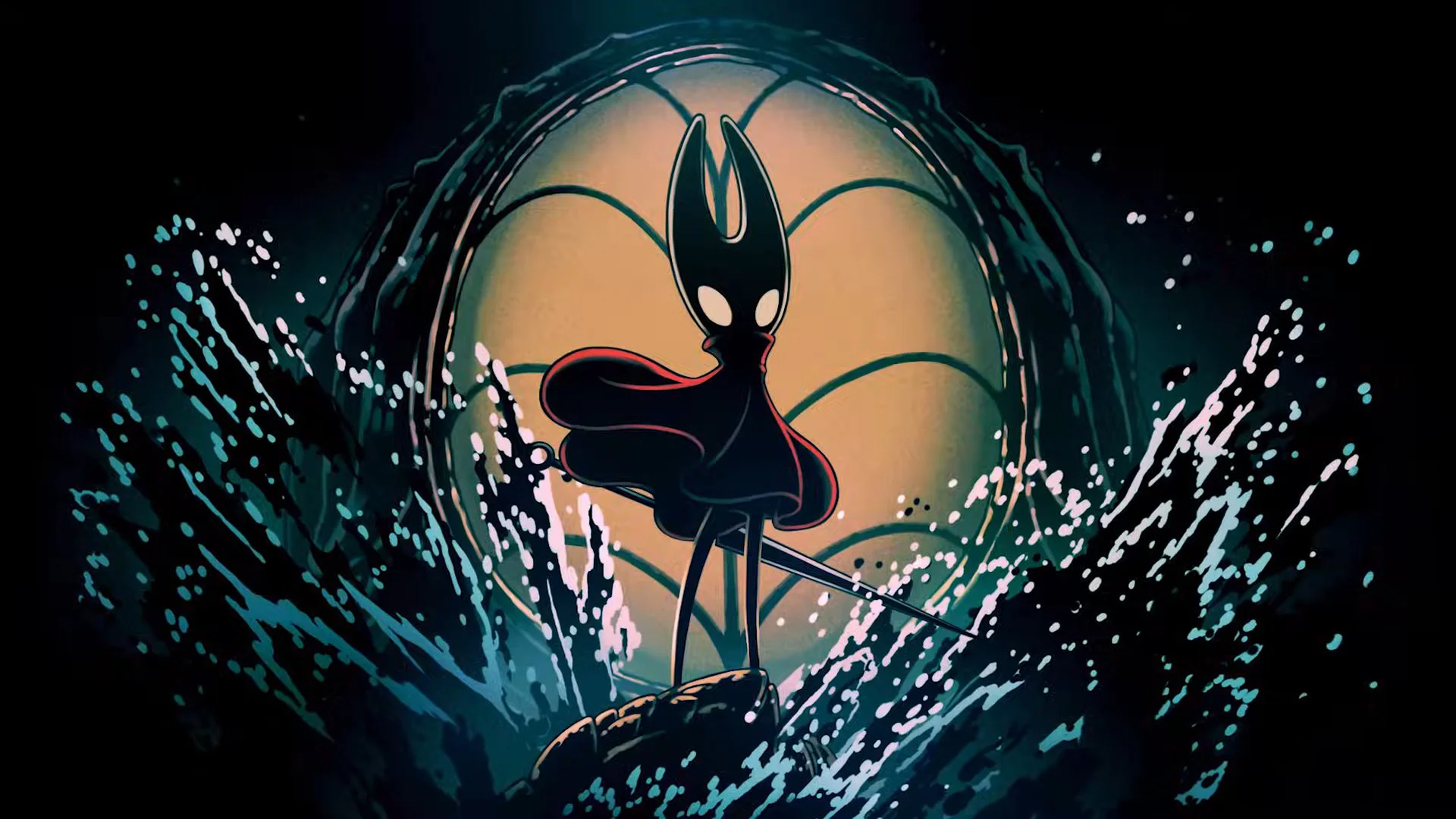
Hollow Knight: Silksong — How It Built on the Original Without Losing Magic
Intro — The Sequel Dilemma
Sequels walk a tightrope: change too little and they feel redundant, change too much and they lose identity. From trailers, demos, and developer commentary, Hollow Knight: Silksong appears to navigate that balance carefully — expanding systems while preserving the quiet, mysterious atmosphere that defined the first game.
Here's how it evolves the formula without breaking what made Hollow Knight special.
A New Protagonist Changes the Rhythm
Playing as Hornet fundamentally shifts the feel of movement and combat.
What's different:
- Faster traversal with acrobatic abilities
- Offensive toolkit built around agility rather than patience
- Silk-based healing system replacing Soul mechanics
Team Cherry has explained that Hornet's design required rethinking enemy encounters to match her speed — making combat more aggressive but still deliberate.
Combat Depth Without Complexity Overload
Silksong introduces tools, craftable items, and varied combat approaches shown in gameplay footage from Nintendo Direct presentations.
Why this matters:
- Builds strategic variety without turning into a loadout-heavy RPG
- Keeps the "learn patterns, master timing" core intact
World Design: Verticality and Momentum
The original Hollow Knight emphasized interconnected exploration. Silksong appears to push vertical traversal and environmental flow even further.
Developers have noted that Pharloom (the new kingdom) is structured differently — with a sense of upward progression, both thematically and mechanically.
Result: Exploration feels fresh while still rooted in classic metroidvania structure.
Narrative Style Remains Understated
One of Hollow Knight's strengths was storytelling through atmosphere rather than exposition. Early previews suggest Silksong maintains this philosophy.
- Environmental clues drive lore
- Dialogue remains sparse but meaningful
- Mystery remains central
Some critics argue sequels often over-explain — so far, Silksong seems to resist that temptation.
The Balance Between Familiarity and Innovation
| Element | Original | Silksong Evolution |
|---|---|---|
| Combat pace | Methodical | Faster, agile |
| Healing system | Soul-based | Silk-based |
| Exploration | Horizontal emphasis | More vertical flow |
| Protagonist | Silent Knight | Expressive Hornet |
| Tools | Charms | Expanded abilities |
The "MAGIC Test" (Original Framework)
To judge whether Silksong keeps Hollow Knight's spirit, use:
- M — Mood: Does the atmosphere feel haunting and quiet?
- A — Agency: Do players discover rather than get told?
- G — Gameplay purity: Is skill still the core driver?
- I — Identity: Does it feel like the same world?
- C — Curiosity: Does exploration reward attention?
Based on available previews, Silksong checks most boxes.
Where Opinions Differ
Some previews suggest the faster pacing may reduce the sense of vulnerability that defined the original. Others argue it simply reflects Hornet's personality and broadens gameplay possibilities.
The evidence leans toward evolution rather than dilution — especially given Team Cherry's iterative design approach.
Common Misconceptions
- "It's just more Hollow Knight" — systems show clear changes
- "Faster means easier" — enemy design appears scaled accordingly
- "Story will be explicit" — early footage suggests otherwise
Quick Checklist Before Playing
- ✔ Revisit Hollow Knight mechanics for context
- ✔ Expect different movement timing
- ✔ Approach exploration with curiosity — not speed
- ✔ Embrace experimentation with tools
FAQ
Yes — it follows Hornet in a new kingdom with its own story.
Yes, but with faster movement and new mechanics.
Early impressions suggest a similar atmospheric style.
Likely comparable in difficulty — challenging but fair.
Developers wanted to explore a different combat identity.
Conclusion — Evolution Without Compromise
Silksong doesn't try to reinvent Hollow Knight — it refines and reinterprets it through a new lens. If the original was about quiet endurance, Silksong looks poised to be about graceful momentum. That shift feels natural, not forced — exactly what a thoughtful sequel should do.
Next step: keep an eye on developer updates and revisit the original to appreciate how carefully the design lineage continues.