
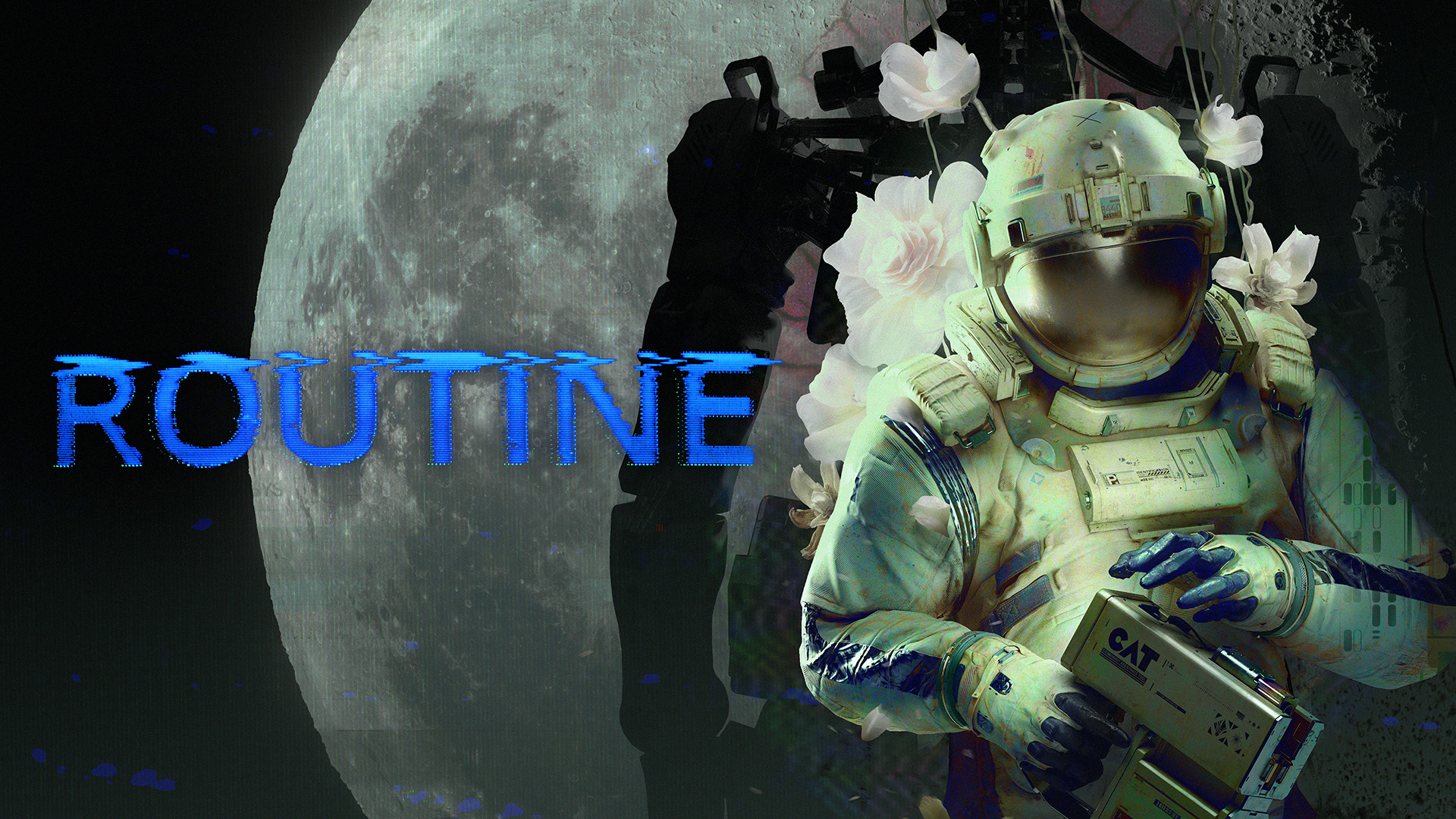
Routine: Why This Space Horror Game Is 2025’s Most Divisive Experience
Routine isn’t failing because it’s broken. It’s divisive because it’s stubborn. In a year packed with polished, player-friendly horror games, Routine goes the opposite direction—slow, opaque, and often uncomfortable by design.
Some players call it one of the most unsettling horror experiences in years. Others quit out of frustration. Both reactions make sense.
Routine’s Design Philosophy: Atmosphere First, Always
Routine prioritizes environmental tension over engagement loops. There’s minimal UI, sparse sound, and long stretches where nothing happens. That silence isn’t filler—it’s the horror.
This approach aligns with classic sci-fi horror influences like Alien, where fear comes from anticipation, not action. Critics who praise the game often cite immersion and unease. Those who criticize it usually point to boredom or lack of direction.
The disagreement isn’t about quality. It’s about expectations.
Combat That Feels Bad—On Purpose
Combat in Routine is limited, awkward, and unreliable. Weapons feel underpowered. Encounters feel unfair.
That’s intentional.
The developers clearly designed combat as a last resort, not a mastery system. This puts Routine at odds with players coming from games like Dead Space, where combat skill equals survival.
For some players, this creates genuine fear. For others, it feels like bad controls disguised as horror.
Storytelling Through Absence, Not Exposition
Routine tells its story indirectly:
- Environmental clues
- Fragmented logs
- Architecture and decay
- What’s missing rather than what’s shown
There are no cinematic cutscenes explaining what went wrong. This aligns with research on environmental storytelling, where players construct meaning themselves—but only if they’re willing to engage deeply.
Players expecting a clear narrative arc often feel lost. Lore-focused players see that ambiguity as the point.
Pacing: The Real Deal-Breaker
Routine’s pacing is slow. Deliberately so.
Doors take time. Backtracking is common. There’s no fast travel safety net. According to game-design research, slow pacing increases immersion—but only for players with high tolerance for uncertainty.
In Routine, patience isn’t optional. It’s the core mechanic.
Original Framework: Will Routine Work for You?
The Routine Compatibility Check
You’ll likely enjoy Routine if you:
- Prefer atmosphere over action
- Don’t need constant objectives
- Enjoy piecing together fragmented stories
- Accept vulnerability over power fantasy
You’ll likely dislike it if you:
- Expect frequent combat
- Want clear progression systems
- Get frustrated by limited feedback
- Prefer skill-based mastery loops
This isn’t a skill issue. It’s a taste issue.
Common Mistakes New Players Make
- Expecting it to play like Dead Space
- Rushing exploration instead of observing
- Treating combat as the primary tool
- Playing long sessions instead of short, focused ones
FAQ
Yes, but closer to psychological and atmospheric survival than action horror.
Tonally, yes. Mechanically, Routine is slower and less guided.
For most players who enjoy it, 2–4 hours.
Not mechanically difficult—mentally demanding.
Only if slow-burn horror appeals to you.
Conclusion: Why Routine Divides Gamers So Sharply
Routine doesn’t compromise. It doesn’t guide. It doesn’t reassure.
In 2025, that makes it an outlier—and a lightning rod. If it aligns with your taste, it’s unforgettable. If it doesn’t, it feels like wasted time.
That divide isn’t a flaw. It’s the design.